

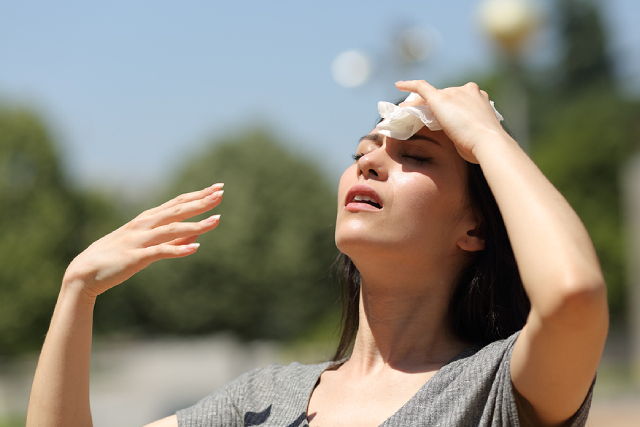
T-shirt fabrics are something that should be taken seriously, at least in Singapore. Anyone who has stepped outside for five minutes knows that the heat here isn’t just hot, it’s sticky and relentless. What you wear can decide whether you feel mildly uncomfortable or completely drenched before lunch. A T-shirt that looks good on a hanger can turn into a sweat trap once you’re on the MRT platform or walking between meetings.
Singapore’s 2026 climate hasn’t made things easier. With humidity often sitting above 80%, choosing the right fabric isn’t just a style choice. It’s a survival tactic. Not all breathable fabrics are created equal, and some natural fibres can actually make you feel wetter by holding onto sweat instead of letting it evaporate. Understanding how different fabrics behave in real Singapore conditions can save you a lot of discomfort.
Below are five T-shirt fabrics that genuinely work better in Singapore’s heat, plus what to look out for when choosing one for daily wear, school, work, or even uniforms.
1. Cotton (but not all cotton is equal)
Cotton is often the first fabric people think of when it comes to hot weather. It’s soft, familiar, and generally comfortable against the skin. The reason cotton works is simple: it’s breathable and allows air to circulate, which helps with cooling.
That said, cotton has a major downside in Singapore. It absorbs sweat easily and holds onto moisture. Once it’s wet, it stays wet for a long time, especially in high humidity. This is why you can feel clammy even though cotton is technically breathable.
If you’re choosing cotton, look for lighter-weight cotton or combed cotton rather than thick, heavy jerseys. Thinner cotton dries slightly faster and feels less suffocating. Cotton works well for short outings, air-conditioned environments, or situations where you’re not moving much. For school uniforms or casual daily wear, cotton still has a place. Just don’t expect it to stay dry if you’re rushing around outdoors all day.
2. Polyester (the everyday workhorse)
Polyester has come a long way from its old reputation of feeling plastic-y and stiff. Modern polyester fabrics are designed to wick moisture away from your skin and dry quickly, which makes them far more practical in humid weather.
Instead of soaking up sweat like cotton, polyester pushes moisture to the surface of the fabric, where it can evaporate faster. This is why polyester T-shirts often feel lighter even when you’re sweating.
The trade-off is breathability. Cheap polyester can trap heat and odour if it’s not well-made. Higher-quality polyester, especially those designed for activewear or uniforms, tends to perform much better.
This is why polyester is so commonly used for uniforms, event tees, and corporate wear, especially in T-shirt printing in Singapore, where durability and wash resistance matter just as much as comfort.
3. Dri-fit and performance fabrics
Dri-fit is essentially a type of performance polyester, engineered specifically for sweat management. These fabrics are lightweight, quick-drying, and designed to keep sweat from sitting on your skin.
The biggest advantage of dri-fit fabrics is consistency. They perform the same whether you’re walking under the sun, standing in a queue, or commuting during peak hours. Sweat spreads out and evaporates faster, which helps you feel less sticky overall. There’s a reason sports teams, schools, and companies choose dri-fit for outdoor activities and long events. It’s also why you’ll often hear people say you should work out in a dri-fit tee.
If you spend a lot of time outdoors or move between indoor and outdoor spaces frequently, dri-fit fabrics are one of the most reliable choices in Singapore’s climate.
4. Cotton blends (the middle ground)
Cotton blends combine cotton with synthetic fibres like polyester or spandex. The goal is to balance comfort and performance, and when done right, they work very well for daily wear.
A cotton-polyester blend usually feels softer than full polyester while drying faster than pure cotton. It also tends to wrinkle less and hold its shape better after washing. For people who dislike the feel of full synthetic fabrics but still want something more practical than cotton, blends are a smart compromise. They’re popular for casual workwear, school events, and branded T-shirts where comfort matters but performance still counts. Blends are also easier to print on and maintain their print quality over time, which makes them a practical option for custom T-shirts used regularly.
5. Bamboo fabric (surprisingly effective)
Bamboo fabric has gained attention for being soft, breathable, and naturally moisture-wicking. It feels cooler to the touch than cotton and doesn’t cling as much when you sweat.
One of bamboo’s strengths is comfort. It’s gentle on the skin and works well for people who find synthetic fabrics irritating. Bamboo also resists odour better than cotton, which is a big plus in humid conditions.
However, bamboo fabrics can vary in quality depending on how they’re processed. Some bamboo T-shirts behave more like rayon and may not be as durable over time. They’re usually more expensive and may not be ideal for heavy daily use or uniforms that need frequent washing.
Still, for casual wear or long days where comfort is the priority, bamboo is worth considering.
What actually matters more than fabric names
While fabric type is important, a few other factors make a big difference in how a T-shirt performs in Singapore’s heat.
- Fabric weight: Lighter fabrics almost always feel cooler and dry faster.
- Weave and construction: Mesh panels or looser knits allow more airflow, even if the fabric itself is synthetic.
- Fit: A slightly looser T-shirt allows air to circulate, while tight fits tend to trap heat and sweat, regardless of fabric.
- Colour: Dark colours absorb more heat, while lighter colours reflect sunlight and feel cooler outdoors.
Choosing the right fabric for different situations
- For school days or office wear, cotton blends or lightweight polyester usually strike the right balance between comfort and neatness.
- For outdoor events, sports days, or long hours on your feet, dri-fit or performance polyester is the safest option.
- For casual weekends or short outings, breathable cotton or bamboo can still feel great, especially if you’re mostly indoors.
Understanding when and where you’ll be wearing the T-shirt matters just as much as the fabric itself.
Conclusion
Sweating in Singapore isn’t optional, but feeling miserable all day doesn’t have to be the default. The right T-shirt fabric can make long school days, work hours, or outdoor events far more comfortable, even in relentless humidity.
If you’re planning custom T-shirts for your school, company, or event, choosing the right material is just as important as the design. Direct T Shirt offers professional T-shirt printing services and can help you select fabrics that actually work for Singapore’s climate, so your T-shirts look good and feel comfortable from morning till night.
